Telling you about all of our researchers’ achievements would clog up the internet, so here is a brief overview of the projects that made the headlines (or almost did).
JANUARY
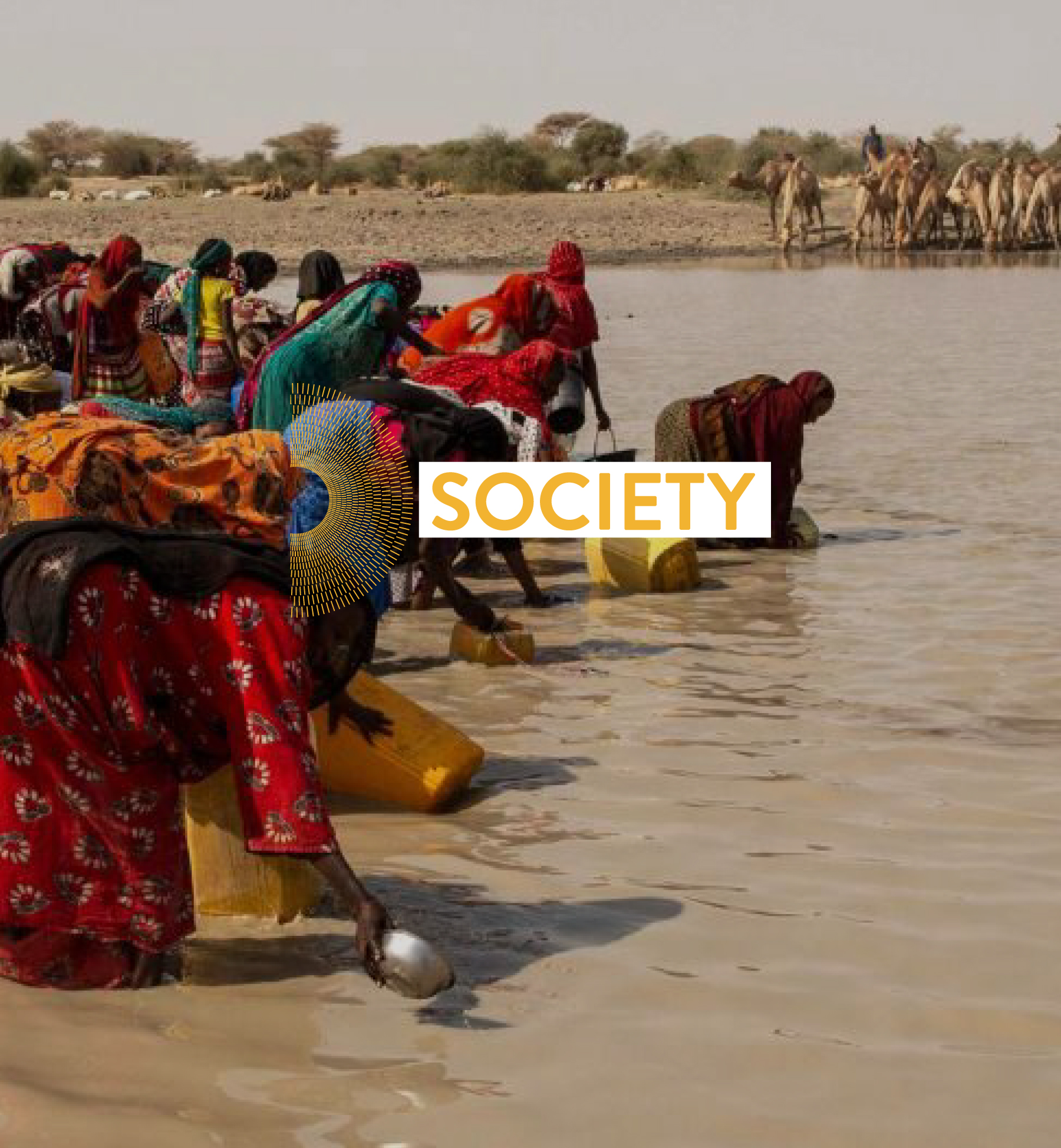
- A study by Poli is published Nature Communications which analyses the social and economic consequences of competition for water resources in local communities in the Global South, caused by transnational acquisitions of agricultural land
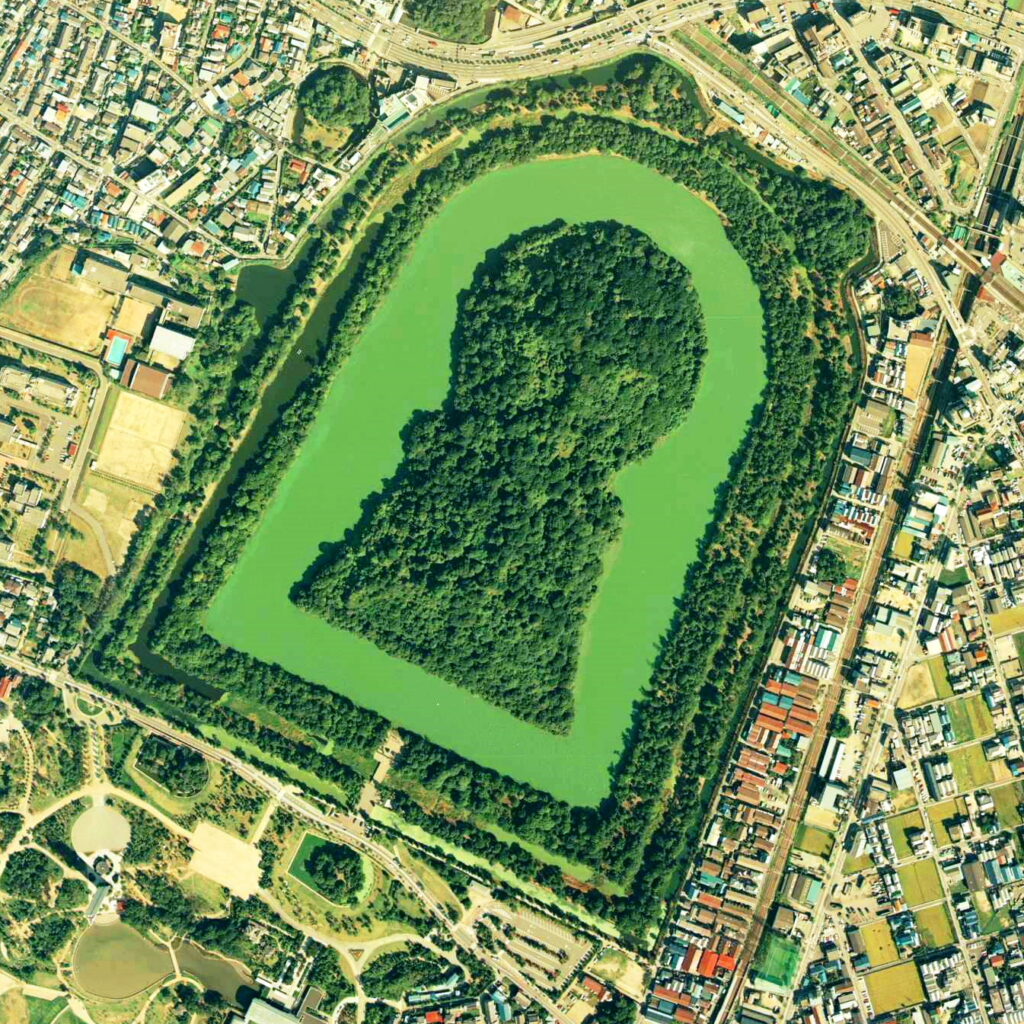
- Thanks to a study analysing satellite images, the secrets of Japan’s Daisen Kofun, one of the largest monuments ever built on earth, are revealed for the first time. Published in Remote Sensing
- Researchers build a a battery which, following the laws of quantum physics, has a recharge time that is inversely related to the battery capacity. The study is published in Science Advances
- The study that reveals how DNA protects itself from mutations caused by ultraviolet lightis published in Nature Communications: it will have important consequences in nanotechnology and pharmacology, such as the fight against skin cancer
- By experimenting with new analytical and predictive procedures combined with the use of satellite platforms and machine learning techniques, the D-DUST project analyses the impact that emissions from agricultural activities and livestock farming have on our health.
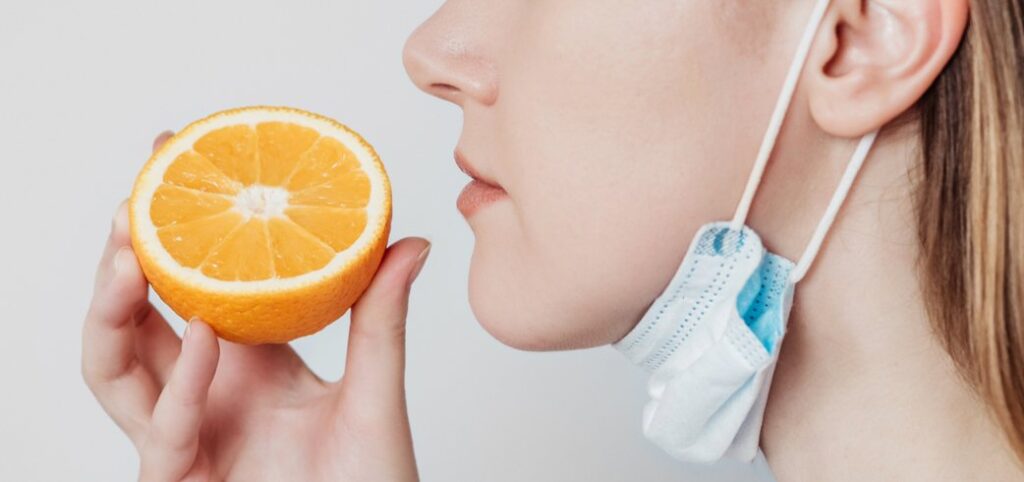
- For those who have lost their sense of smell: the ROSE project combines nanotechnology, microtechnology, biotechnology, mechanical design, neurosurgery, clinical olfaction, neuroscience and cognitive psychology to test the feasibility of a miniature olfactory prosthesis that combines odour microsensors and neural stimulators.
FEBRUARY
- A study by Poli is published Nature Climate Change that correlates climate change mitigation policies designed on a global scale with the potential side effects that they may produce on a local scale on African river basins
- Researchers from the CHARM project are developing a high-speed, low-cost medical device for distinguishing cancerous cells from healthy cells without the need for chemical staining, using digital imaging technology and artificial intelligence.
MARCH
- ERC Consolidator Grant awarded to Massimo Tavoni: with the EUNICE project, he addresses the problem of uncertainties in climate stabilisation pathways and current climate-energy-economy models
- ERC Consolidator Grant awarded to Sara Bagherifard: with the ArcHIDep project, she deploys a revolutionary solid state deposition system in order to obtain heterogeneous materials with architecture structured on three levels of scale (micro, meso and macro)

- Published in the prestigious Angewandte Chemie International Edition , a study by Poli highlights how halogen bonding can help improve the performance of perovskite solar cells, making it possible to achieve high efficiency and stability
- Researchers are trying to create an accurate model of the human cerebral cortex using state-of-the-art 3D printing techniques, in order to uncover the molecular causes of the onset and development of neurological diseases, including in particular Pitt-Hopkins syndrome
- A study shows demonstrates unprecedented control over the optical properties of graphene. The study is published in ACS Nano
- Paving the way for a new type of material: a new type of phase transition in a bizarre quasi-crystal made of laser lightis discovered and observed in the laboratory. The discovery is published in the journal Nature
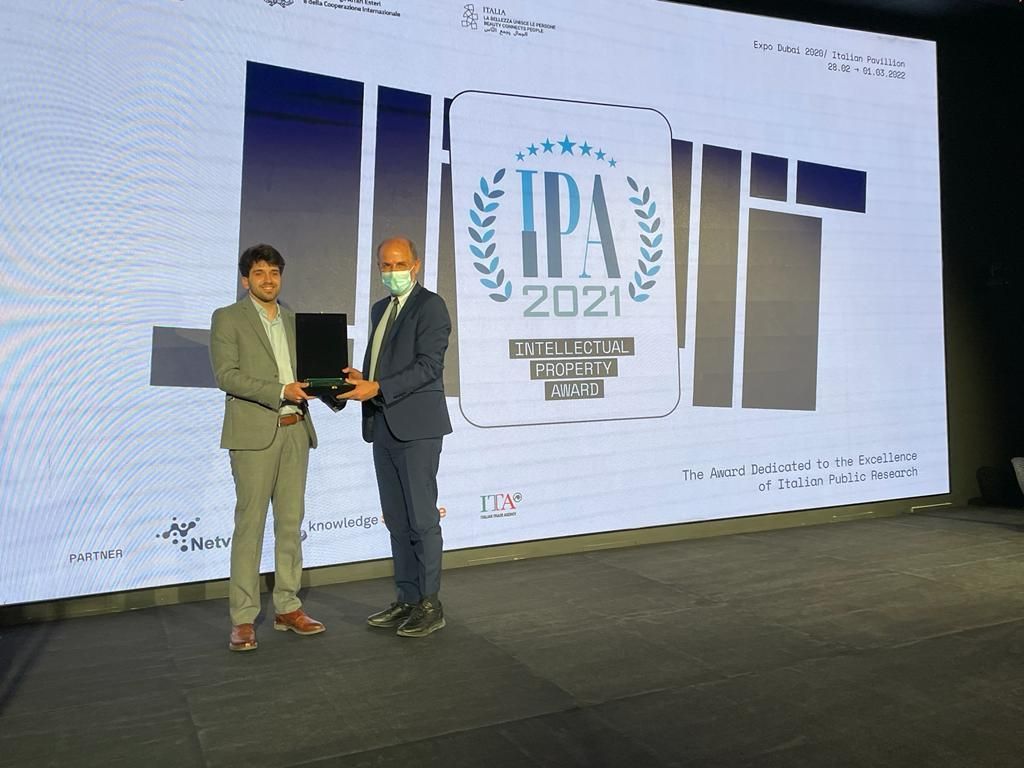
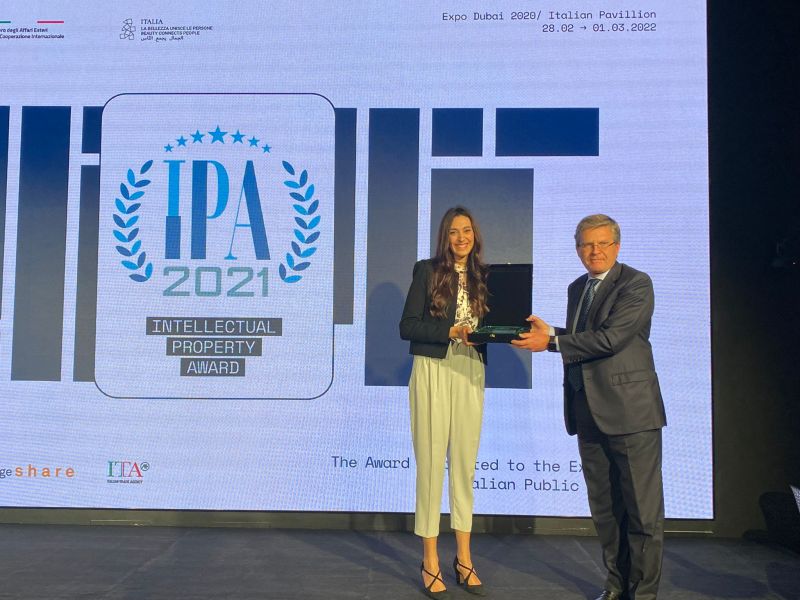
- Hybris, a design for a hybrid-electric aircraft equipped with structural batteries, wins first place in the aerospace category of the Intellectual Property Award. Sinergy, a metal-polysulphide flow cell battery that uses inexpensive, abundant and non-toxic materials also wins an award (in the ‘alternative energy’ category).
APRIL
- An ERC Advanced Grant iss awarded to Manuela Raimondi for her BEACONSANDEGG study that combines mechanobiology, bioengineering, oncology, genetics, microtechnology, biophysics and pharmacology to develop a new method for treating breast cancer

- An ERC Advanced Grant is awarded to Daniele Ielmini for his ANIMATE project that aims to create a new computing concept to reduce energy consumption in machine learning, which requires 5,000 times less energy than digital computers of equal precision in terms of number of bits
- Guidelines created for modelling and data sharing for the restoration project of the Church of the Holy Sepulchre
- The first "quantum artificial neuron" promises to become the missing link between quantum computing and artificial intelligence. The ground-breaking study is published in Nature Photonics.
MAY
- New programmable materials are coming: the study by Poli published in Royal Society Open Science proposes mathematical techniques to design materials capable of adapting their shape to external stimuli
- A Politecnico study published in Science explains how to save the Mekong Delta from rising seas
- A study by Poli is published The Journal of the Acoustical Society of America the results of an experiment comparing the sound of different violins and identifying the combination of sound quality that makes the sound of a Stradivarius more pleasant.

JUNE
- An accelerator for the production of neutron beams, designed for clinical research on particularly complex tumours, is installed for the first time in Italy at CNAO
- An innovative technological device for industrial use is developed for the study of new drugs to treat brain disorders such as Alzheimer's disease or Parkinson's disease.
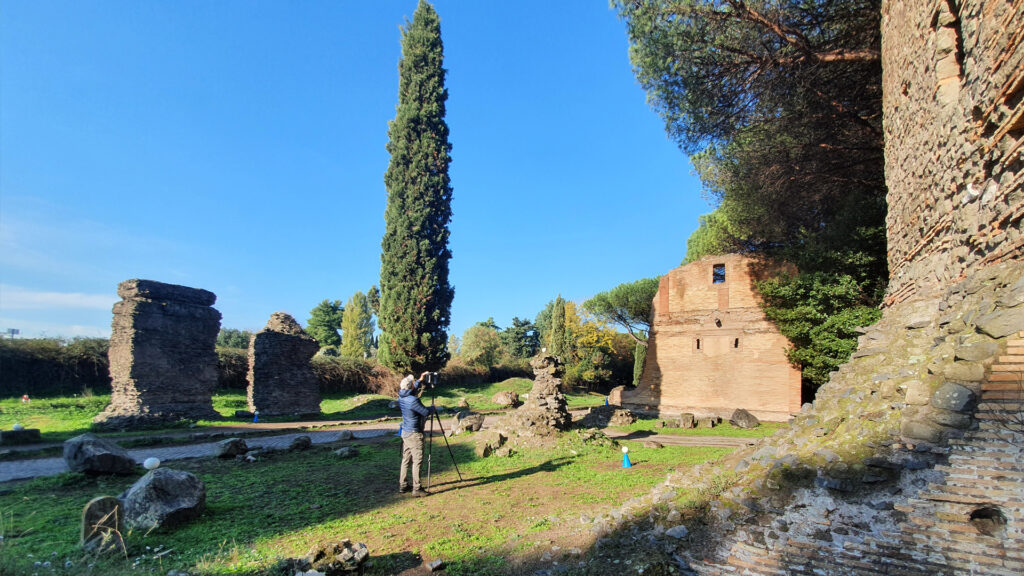
- A large survey and digitisation project is launched in the Appia Antica Archaeological Park areaaiming to create a modern geographical atlas which serves as a '4D living digital twin'
- New nanomaterial for precision medicine and ecological transition: a superfluorinated gold nanocluster is synthesised for the first time. Study published in Nature Communications
JULY
- The CRADLE Project, which is coordinated by Politecnico di Milano, aims to make asteroid exploration more robust and self-sufficient through innovative solutions for collecting dust samples from asteroids and comets
- Optical wireless: the new frontier for self-driving vehicles and portable devices in a chip. Study published in Light: Science & Applications
- I3LUNG, a project to implement personalised medical care based on artificial intelligence in lung cancer patients
SEPTEMBER
- Thanks to the use of X-rays, nanometric filters are more efficient and safer. The study is published in Nature Communications
- A study by Poli aiming to develop innovative materials by exploiting the potential of carbon atomic wires
- Researchers discover a new two-dimensional semiconductor: it exhibits the highest non-linear optical efficiency at nano-scale thicknesses. Study published in Nature Photonics
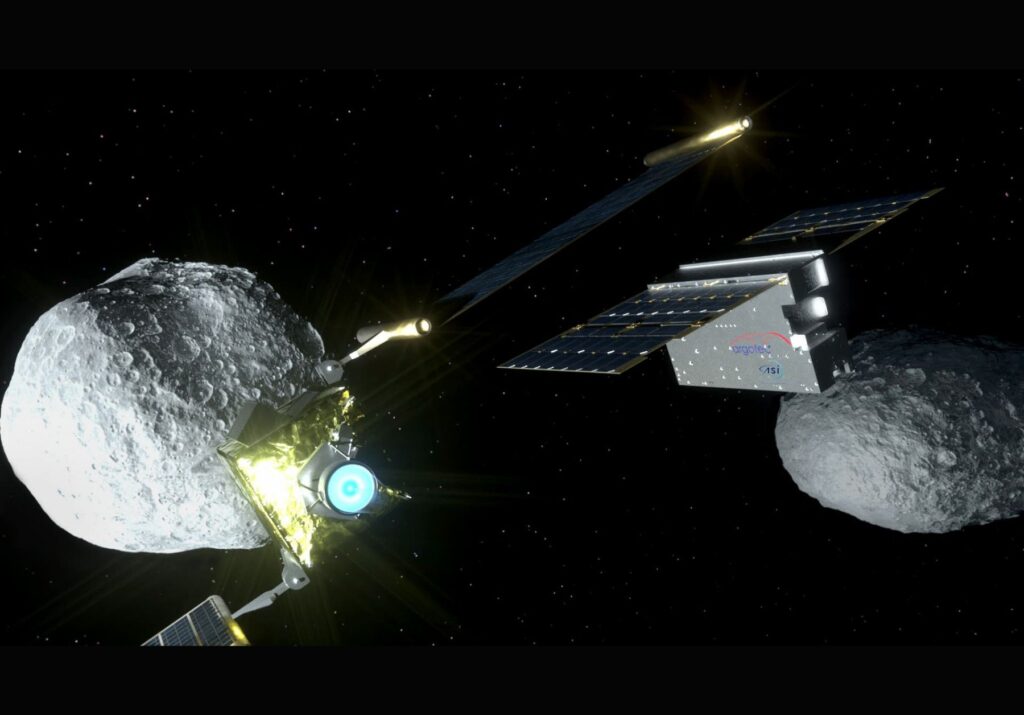
- LICIACube witnessed the NASA/DART impact test with an asteroid: Poli researchers contribute to this success
OCTOBER
- The European project UN-BIASED (UNcertainty quantification and modelling Bias Inhibition by an Agnostic Synergistic Exploitation of multi-fidelity Data), seeking to develop new modelling techniques for complex aerodynamic systems, kicks off
- As part of the SOS-Water Project, the Environmental Intelligent lab will study the limits within which our planet will continue to be able to compensate for changes and provide us with life support
NOVEMBER
- The European project ECOSENS (Economic and Social Considerations for the Future of Nuclear Energy in Society) kicks off: its aim is to analyse citizens’ opinions and perceptions on the risks, benefits and potential of using (current and future) nuclear technologies in relation to the main social challenges
- Following the success of ‘phase A’, Politecnico di Milano and the European Space Agency are developing ‘phase B’ of the LUMIO (Lunar Meteoroid Impacts Observer) mission. The goal is to monitor the far side of the moon in order to detect flashes of light associated with meteor impacts.
- Published in the journal “Nature Chemistry” the study that highlights a new class of chemical reactions whose speed is controlled by quantum phenomena.
DECEMBER
*to be updated*
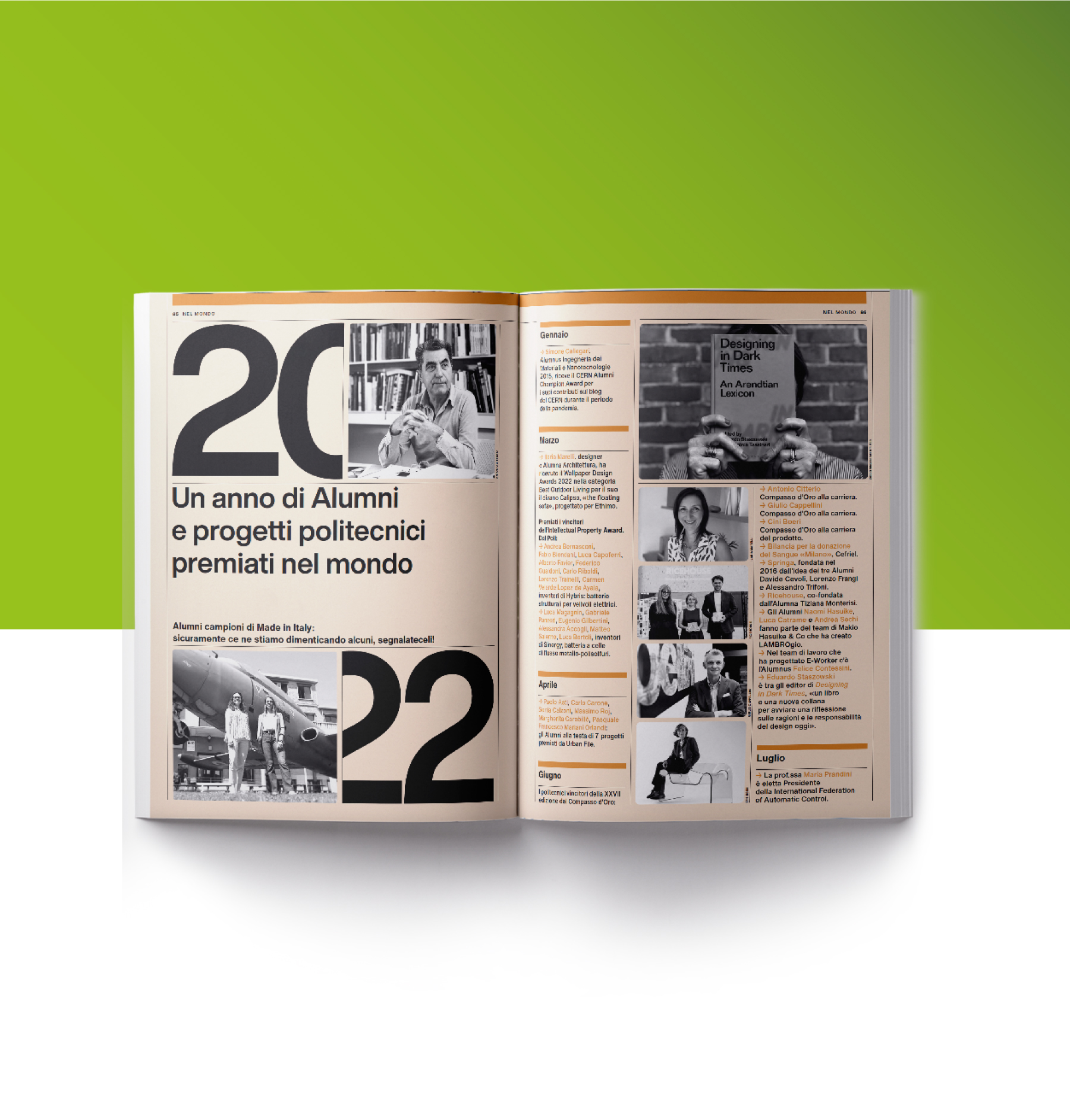
Read the full story in MAP issue 11 starting from December